Best Books About Growing for Young Children
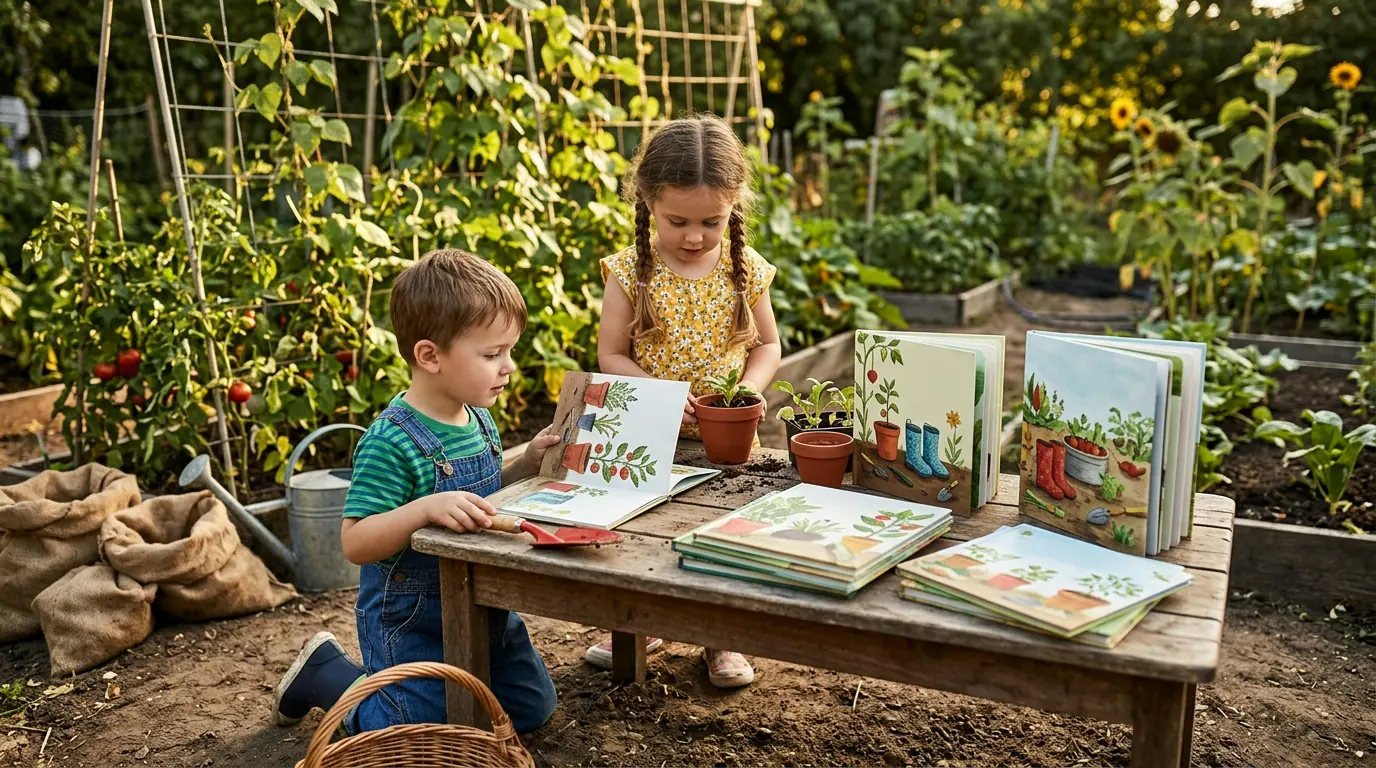
What are the best books for learning about growing?
The best books for learning about growing make change easy to notice and talk about. For young children, we recommend starting with picture books about seeds, animals, and everyday milestones, then adding stories about learning new skills and handling new feelings. A mix of nonfiction and fiction gives you both clear explanations and characters you can talk about together.
Start with a seed-to-plant story
The Tiny Seed by Eric Carle follows a seed through the seasons, making it a welcoming first look at what plants need and how they change. For a more detailed picture-book introduction, From Seed to Plant by Gail Gibbons shows the steps from pollination to new growth. These books work especially well when you can point to a real seed, sprout, or flower afterward.
Show that growing takes time
A Seed Is Sleepy by Dianna Hutts Aston invites you to slow down and observe differences among seeds. Waiting for Wings by Lois Ehlert offers another kind of growth story as caterpillars become butterflies. Together, they help you show that living things do not all grow in the same way or on the same schedule.
Make room for personal growth
Growing also means trying something unfamiliar. In The Dot by Peter H. Reynolds, a child begins to build confidence through making art. Jabari Jumps by Gaia Cornwall follows a child preparing to take a leap at the pool. Neither story requires a long lesson: you can simply ask what the character felt at the beginning and what changed by the end.
Choose books you can return to
For the youngest readers, choose sturdy pages, clear pictures, and a short story you will enjoy reading more than once. Older children may welcome more detail about life cycles or characters whose challenges feel familiar. Our team suggests keeping one fact-based book and one storybook in rotation, so you can follow your child’s questions rather than reading from a set list.
As you read, let your child notice small changes: a new leaf, a brave decision, or a skill that took practice. For more ways to turn those conversations into playful reading time, visit our guide to imaginative storytime for growing minds.
FAQ
How can you help a child connect a book about growing to everyday life?
Pair the story with something you can observe together, such as planting a seed or revisiting a skill your child has practiced. Ask what changed over time, and let your child describe it in their own words.












Leave a comment