5 Positive Parenting Tips for Everyday Connection
What are 5 positive parenting tips?
Positive parenting combines warmth with clear, consistent guidance. It does not mean saying yes to everything or avoiding discipline. Instead, you help your child understand expectations, manage feelings, and learn from mistakes while maintaining a supportive connection.
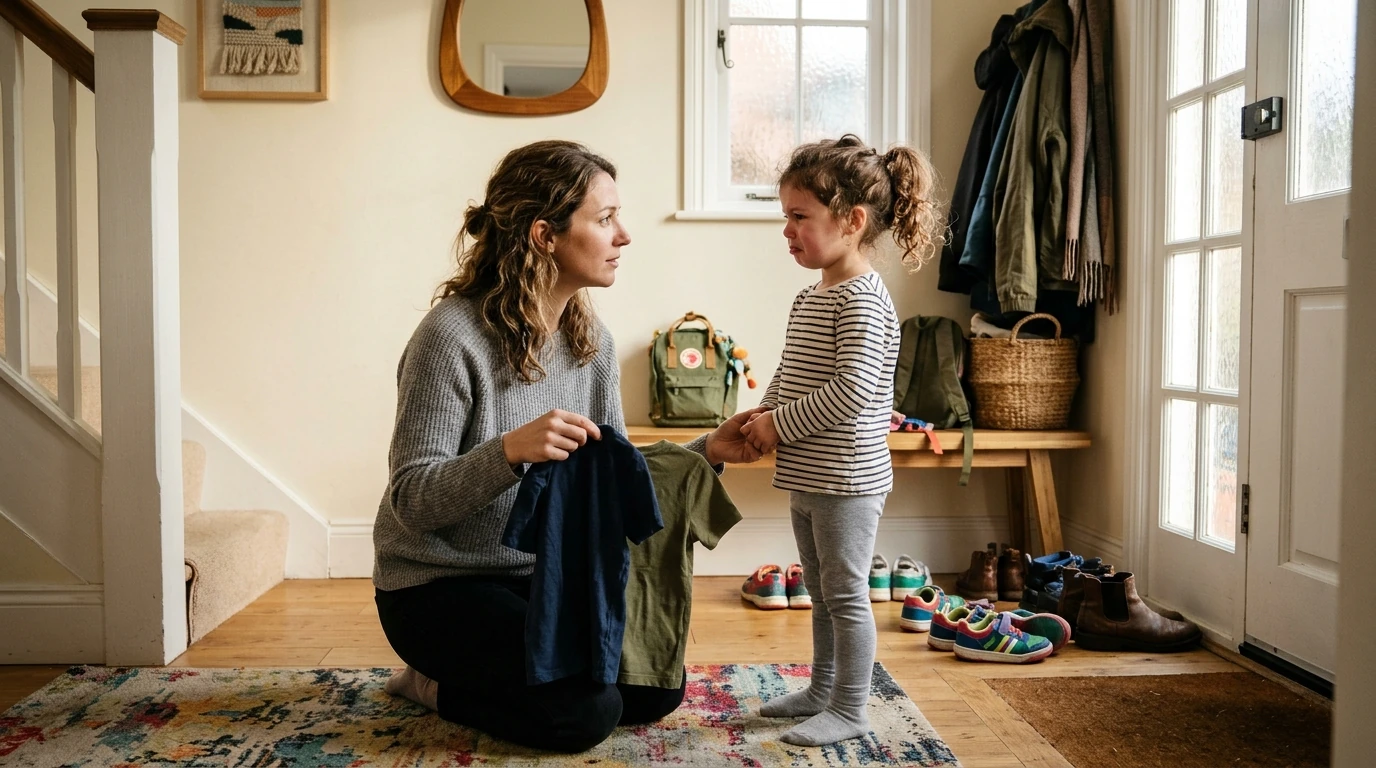
1. Connect before correcting
When your child is upset, start by getting close, listening, and naming what you notice: “You’re frustrated that playtime is over.” Acknowledging a feeling does not mean approving every action. It can help your child feel heard and become more receptive to guidance.
Once your child is calmer, keep your direction simple: “It’s time to put the blocks away. I’ll help you start.”
2. Set clear, age-appropriate boundaries
Children need limits they can understand and practice. Explain what to do rather than only what to stop: “Walk beside me in the parking lot” gives a clearer instruction than “Don’t run.” For younger children, pair words with a demonstration or gentle guidance.
Follow through consistently and adjust expectations as your child develops. A preschooler may need reminders and help with a routine that an older child can manage independently.
3. Notice the behavior you want to encourage
Offer specific encouragement when your child makes an effort: “You put your shoes by the door, so they’ll be easy to find tomorrow.” Describing the action helps your child understand what went well without making praise feel like a reward for being perfect.
4. Teach problem-solving after emotions settle
When a mistake happens, focus on repair and learning. If a drink spills during rough play, involve your child in wiping it up and talk about where drinks can go next time. For conflicts with siblings or friends, help your child practice words they can use to ask for a turn or express frustration.
5. Make room for connection every day
A few minutes of undistracted attention can strengthen your relationship. Let your child choose a simple activity, such as drawing or building, and follow their lead. You can also connect through ordinary routines, like preparing a snack together or talking on a walk.
For more ways to communicate with warmth and clarity, explore our guide to positive parenting and gentle communication.
FAQ
How can you stay calm when your child is having a tantrum?
Take a slow breath, use a steady voice, and make sure your child is safe. Give them time to settle before discussing what happened or teaching an alternative response.












Leave a comment